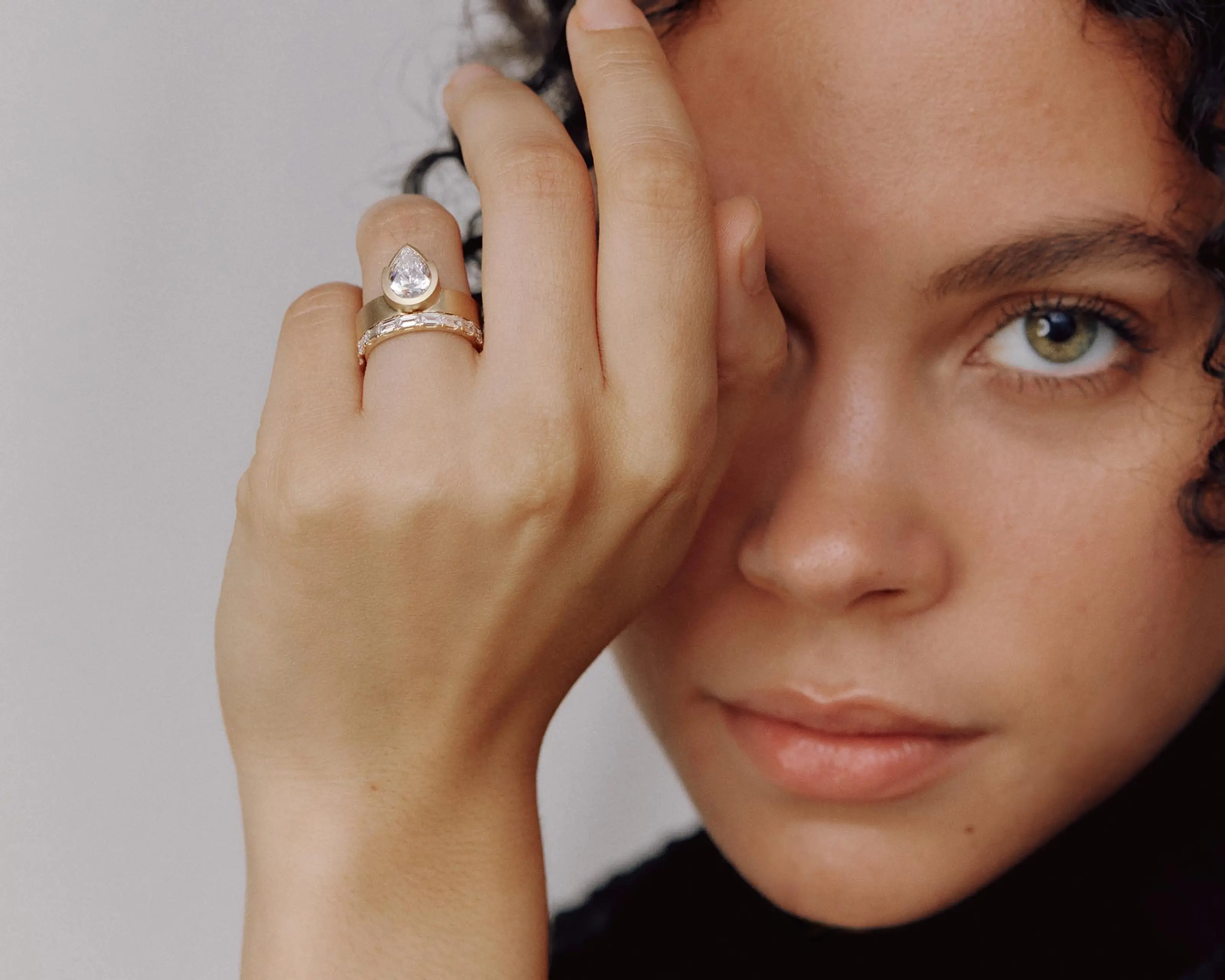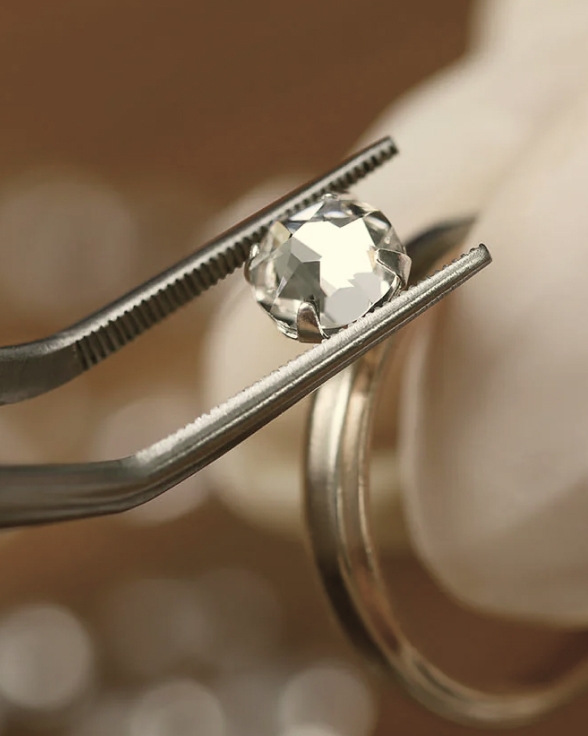
What is how to buy a diamond? How to buy a diamond is defined as the systematic process of evaluating, selecting, and purchasing a diamond based on quality factors (the 4Cs), certification requirements, budget considerations, and personal preferences while maximizing value and ensuring authenticity.
Key Takeaway:
Successfully learning how to buy a diamond requires prioritizing cut quality above all other factors, purchasing only certified stones from reputable sources, and understanding which quality trade-offs deliver the best value within your specific budget range.

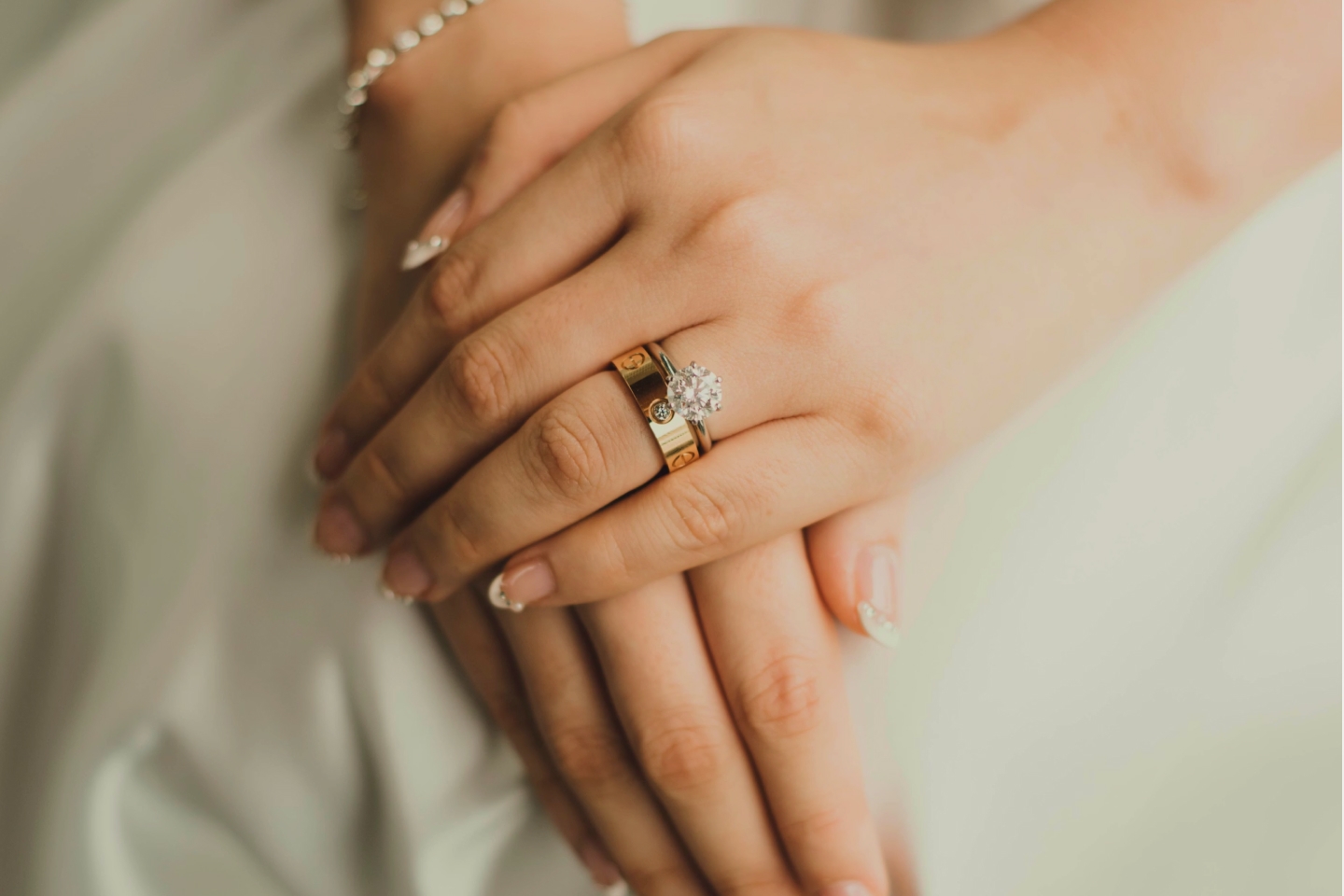
Buying a diamond is a systematic process of selecting a stone based on quality factors, certification requirements, and personal preferences while maximizing value within your budget. It requires understanding the 4Cs grading system, certification importance, and strategic purchasing approaches when you want to learn how to buy a diamond effectively.
Bottom line:
Successfully learning how to buy a diamond comes down to prioritizing cut quality above everything else, buying only certified stones from reputable sources, and understanding which quality trade-offs give you the best bang for your buck.
The global diamond jewelry market hit about 86.5 billion U.S. dollars in 2022 (Statista), so knowing how to buy a diamond smart has never mattered more. Over half the world's demand for polished diamonds comes from the U.S. and China (Statista, 2022), making this diamond buying guide essential for navigating today's competitive marketplace.
From our experience:
After helping thousands of people learn how to buy a diamond, we've nailed down what consistently leads to happy customers: solid education before shopping, understanding quality trade-offs, and focusing on what actually matters for your specific needs.
Understanding Diamond Buying: What You Need to Know
Learning how to buy a diamond involves mastering multiple decisions that affect both price and satisfaction. The process requires understanding quality factors, certification requirements, and market dynamics. This comprehensive diamond buying guide provides the foundation for making informed decisions when you purchase diamond jewelry. American Gemological Society research confirms that "informed diamond buyers who understand quality factors make more satisfying purchases and avoid costly mistakes."
Why Diamond Education Changes Everything
Most buyers seriously underestimate how diamond knowledge impacts their purchase when learning how to buy a diamond. Customers often tell us they'd have made different choices if they'd understood quality factors better. This diamond buying guide tackles those knowledge gaps head-on.
Reality check:
The biggest regret among diamond buyers? Rushing through the education phase when figuring out how to buy a diamond. Diamond pricing varies dramatically for seemingly similar stones due to quality factors most people initially miss.
Give Yourself Time to Learn
Smart diamond buying benefits from thorough research and comparison shopping. Taking time to understand your options and compare multiple stones leads to better choices when you're learning how to buy a diamond. Rushing this decision often means compromises you'll regret later.
Pro tip: Don't rush when learning how to buy a diamond. While everyone's timeline is different, hasty decisions frequently lead to subpar outcomes.
How to Buy a Diamond: Step-by-Step Process
Following a systematic approach ensures successful diamond purchasing. Here's the proven method for how to buy a diamond:
Set Your Budget - Determine realistic spending limits based on your financial situation
Learn the 4Cs - Understand Cut, Color, Clarity, and Carat weight fundamentals
Research Certifications - Only consider GIA, AGS, or other reputable laboratory certifications
Compare Options - Evaluate 3-5 diamonds that meet your criteria
Verify Authenticity - Confirm certifications and seller credentials
Make Purchase Decision - Choose based on your priorities and budget
Secure Insurance - Protect your investment immediately after purchase
Diamond Quality Comparison: What Actually Matters
Quality Factor
Excellent Choice
Good Value
Budget Option
Impact on Beauty
Cut Grade
Excellent/Ideal
Very Good
Good
Highest (40% impact)
Color Grade
D-F (Colorless)
G-I (Near Colorless)
J-K (Faint Tint)
Moderate (20% impact)
Clarity Grade
FL-VVS2
VS1-VS2
SI1-SI2
Low (15% impact)
Carat Weight
1.00+ ct
0.70-0.99 ct
0.50-0.69 ct
Size Preference
Certification
GIA/AGS
SSEF/Gübelin
Other reputable labs
Critical for authenticity
The 4Cs: Your Foundation for Smart Diamond Buying
The 4Cs grading system, established by the Gemological Institute of America, gives you the universal framework for evaluating diamonds when learning how to buy a diamond. But here's what matters — not all Cs carry equal weight in determining beauty and value. This diamond buying guide emphasizes understanding these quality factors for successful diamond purchasing decisions.
Cut: The Make-or-Break Factor
Why does cut quality matter most when learning how to buy a diamond? Cut determines how brilliantly your diamond sparkles by controlling light reflection and refraction. A masterfully cut diamond transforms light into spectacular fire and brilliance that stops people in their tracks.
Cut grades from best to worst:
Excellent/Ideal: Maximum light performance
Very Good: Exceptional brilliance
Good: Solid light return
Fair: Adequate performance
Poor: Minimal sparkle
Never skimp on cut quality when figuring out how to buy a diamond. We've seen it countless times — smaller, well-cut diamonds consistently outshine larger, poorly cut stones. Stick with "Very Good" or better for maximum impact.
Industry insight: Cut grade influences up to 40% of a diamond's visual appeal, making it more critical than size for overall beauty. Expert jewelers consistently recommend prioritizing cut quality above everything else when learning how to buy a diamond.
Color: Where to Get the Best Value
Diamond color grades span from D (colorless) to Z (light yellow or brown). For most buyers learning how to buy a diamond, the sweet spot lies in the G-J range — exceptional value without visible color. Your setting metal affects color perception big time.
Color recommendations by setting type:
Platinum/white gold: G-H color minimum for best appearance
Yellow gold: I-J color works beautifully
Rose gold: I-K color harmonizes with warm tones
Here's the thing: Yellow and rose gold settings can make lower color grades appear whiter through contrast, while white metals require higher color grades to prevent visible tinting.
Clarity: What Actually Matters for Beauty
Clarity measures internal inclusions and external blemishes. Here's what many buyers don't realize when learning how to buy a diamond — most inclusions in VS1-VS2 grades remain completely invisible to the naked eye, making these grades exceptional values.
Practical clarity guide:
FL-IF: Museum-quality stones, premium pricing
VVS1-VVS2: Exceptional clarity, significant cost premium
VS1-VS2: Excellent choice for most buyers
SI1-SI2: Strong value if inclusions aren't eye-visible
I1-I3: Generally avoid unless budget's extremely tight
Reality: Most buyers can't distinguish between VS2 and VVS2 diamonds without magnification, making VS2 an exceptional value choice.
Carat Weight: Size vs Quality Balance
Carat weight measures diamond size, but bigger doesn't automatically mean better when learning how to buy a diamond. A smaller, higher-quality diamond often looks more beautiful and brilliant than a larger, lower-quality stone.
Watch for "magic sizes" where prices jump significantly (0.50, 0.75, 1.00, 1.50 carats). Choosing slightly below these thresholds provides substantial savings with minimal visual difference.
Smart move: A 0.90-carat diamond looks nearly identical to a 1.00-carat stone but may cost considerably less due to psychological pricing thresholds.
Setting Your Diamond Budget: Forget the Rules
Contrary to persistent marketing myths, there's no universal rule for diamond spending when learning how to buy a diamond. Your budget should reflect your individual financial situation, not arbitrary salary percentages promoted by marketing campaigns. This diamond buying guide emphasizes realistic budgeting approaches that work for your circumstances.
The 2-Month Salary Rule: Pure Marketing
Marketing campaigns have pushed various salary-based spending guidelines for decades, but these don't reflect sound financial planning when figuring out how to buy a diamond. What matters is choosing an amount you can comfortably afford without compromising other financial goals.
Realistic budgeting approaches:
Set a budget that fits your overall financial picture
Don't touch emergency savings or investments
Consider financing terms carefully if not paying cash
Factor in setting, insurance, and maintenance costs
Disclaimer: Diamond spending recommendations vary significantly based on individual financial circumstances. We recommend consulting with a financial advisor for personalized guidance on major purchases.
Maximizing Value Within Your Budget
Smart buyers prioritize factors that most significantly affect diamond appearance when learning how to buy a diamond. Based on helping thousands of customers, here's the optimal priority order:
Cut quality first - Never compromise significantly here
Size second - Go slightly smaller for better quality
Color third - Choose based on setting metal
Clarity fourth - VS2 often provides exceptional value
For comprehensive pricing insights, explore our detailed guide on Diamond Price Per Carat: Complete 2026 Guide to Understanding Diamond Pricing to make informed budget decisions.
Diamond Certifications: Your Protection
Never buy a diamond without proper certification when learning how to buy a diamond. According to GIA's comprehensive diamond buying guide, grading reports provide objective quality assessment and protect your investment from misrepresentation or fraud. Professional diamond buying guide resources consistently emphasize certification importance when you purchase diamond jewelry.
GIA Reports: The Gold Standard
The Gemological Institute of America sets the global standard for diamond grading consistency and accuracy. GIA reports provide detailed analysis of all quality factors plus precise diamond measurements and identifying characteristics.
Key GIA report sections:
4Cs grades with detailed explanations
Diamond measurements and proportion analysis
Plotting diagram showing inclusion locations
Security features preventing report fraud
Why it matters: GIA certification ensures consistency and accuracy in diamond grading worldwide. Diamonds with GIA reports typically maintain better resale value and buyer confidence over time.
Other Trusted Certification Bodies
While GIA remains the gold standard, several other organizations provide reliable grading when learning how to buy a diamond:
AGS (American Gem Society): Renowned for strict cut grading standards
SSEF: Swiss-based laboratory, highly respected internationally
Gübelin: Premium Swiss laboratory with excellent reputation
GCAL: Provides additional imaging technology and verification
Red Flags to Avoid
Avoid diamonds with questionable certifications when learning how to buy a diamond:
Generic "gemological" certificates without laboratory identification
In-house jeweler certifications lacking independent verification
Certificates from unknown or unverified laboratories
Missing or altered certificate numbers
Our take: While some lesser-known laboratories may provide legitimate services, sticking with established certification bodies ensures standardized, reliable grading.
Diamond Shapes: Style Meets Value
Diamond shape significantly affects both appearance and cost, with round brilliants typically commanding premium pricing due to their popularity and superior light performance when learning how to buy a diamond.
Round Brilliant: The Classic Choice
Round diamonds offer maximum brilliance due to their precisely engineered 58-facet cut design. They command premium pricing but provide timeless appeal and strong resale value. Plus, rounds work beautifully in virtually any setting style.
Fancy Shapes: Unique Alternatives
Shape affects both style and value when learning how to buy a diamond. Fancy shapes often provide better value while offering distinctive character.
Popular fancy shapes:
Princess: Square cut, modern appeal, excellent value
Oval: Elongated appearance, makes fingers look slender
Emerald: Rectangular step cut, sophisticated elegance
Cushion: Soft squares with rounded corners, vintage charm
Pear: Teardrop shape, unique and elegant
Marquise: Boat-shaped, maximizes apparent size
Trend alert: Oval and cushion shapes have gained serious popularity recently, offering excellent value compared to rounds while providing unique character.
Where to Buy: Online vs In-Store
Modern diamond buying offers multiple channels, each with distinct advantages when learning how to buy a diamond. The key is understanding which approach suits your comfort level and needs. This diamond buying guide explores both options for when you purchase diamond jewelry.
Online Shopping Benefits
Online retailers often provide better pricing due to lower overhead costs. Plus, you can compare vast inventories and access detailed photography and video content.
Online advantages:
Competitive pricing due to lower operational costs
Extensive selection and inventory access
Detailed imagery, videos, and specifications
Customer reviews and ratings for guidance
Convenient comparison shopping
For comprehensive guidance on digital diamond shopping, review our complete How to Buy Diamonds Online: Complete 2026 Guide to Safe Diamond Shopping.
Traditional Jeweler Advantages
Physical examination remains valuable, especially for understanding how diamonds look in various lighting conditions when learning how to buy a diamond. Plus, experienced jewelers provide personalized guidance and service.
In-store benefits:
Hands-on examination and comparison
Personal service and expert guidance
Immediate availability and possession
Local relationship building and service
Custom setting services and expertise
Hybrid Approach
Many buyers successfully combine online research with in-person verification. Research online to understand pricing and quality, then visit local jewelers to examine similar diamonds before making final decisions.
Smart strategy: Use online research to educate yourself about pricing and quality, then visit physical stores to see diamonds in person before deciding.
Natural vs Lab-Grown: Making the Right Choice
Lab-grown diamonds share identical physical and chemical properties with natural stones but come at different price points when learning how to buy a diamond. Several factors differentiate these options.
Understanding the Differences
Natural diamonds formed deep in the Earth over billions of years through geological processes, while lab-grown diamonds crystallize in controlled laboratory conditions within weeks using advanced technology.
Key similarities:
Identical chemical composition (pure carbon crystal structure)
Same physical properties (hardness, brilliance, fire)
Require identical grading standards and certification
Indistinguishable without specialized testing equipment
Primary differences:
Price: Lab-grown diamonds typically cost significantly less
Origin: Natural geological vs laboratory creation processes
Resale value: Natural diamonds typically hold value better
Availability: Lab-grown offer more size options at various budgets
Value Considerations
Choose based on your priorities when learning how to buy a diamond. Natural diamonds offer traditional appeal and better resale potential. Lab-grown diamonds provide identical beauty at lower cost, allowing larger sizes or higher quality grades within the same budget.
Customer feedback: Many buyers appreciate the value proposition of lab-grown diamonds, especially when prioritizing size or allocating more budget toward the setting and design.
Transparency Note: Both natural and lab-grown diamonds have their merits. The best choice depends on your personal values, budget, and long-term goals for the piece.
Red Flags and Scams to Avoid
Understanding common scams protects you from costly mistakes and fraudulent practices when learning how to buy a diamond. Here are the most important warning signs. Professional guidance on safe diamond purchasing emphasizes recognizing these red flags.
Too-Good-to-Be-True Deals
Extremely low prices often indicate quality issues or fraudulent practices. If pricing seems way below market rates, investigate thoroughly before buying.
Critical warning signs:
Prices significantly below comparable stones
High-pressure tactics to buy immediately
Reluctance to provide certification details
Vague or misleading quality descriptions
Questionable Certifications
Fraudulent or misleading certificates represent major red flags when learning how to buy a diamond. Only accept diamonds with recognized laboratory certifications from established institutions.
Pressure Sales Tactics
Legitimate jewelers provide adequate time for decision-making. Avoid sellers who create artificial urgency or refuse to answer detailed questions about their diamonds.
For comprehensive protection strategies, consult our guide on 15 Critical Diamond Buying Mistakes That Cost You Thousands (2026 Guide) to safeguard your purchase.
Expert Tips for Getting the Best Deal
Strategic buying approaches can save significant money while maximizing quality when learning how to buy a diamond. These strategies consistently deliver exceptional value. This diamond buying guide provides insider tips for when you purchase diamond jewelry at the best possible prices.
Negotiating Diamond Prices
Many jewelers, especially independent stores, offer negotiation opportunities. Approach discussions respectfully with market research supporting your position.
Negotiation strategies:
Research comparable pricing thoroughly beforehand
Ask about price matching policies
Inquire about package deals (setting + diamond)
Consider timing around sales events and promotions
For detailed negotiation tactics, explore our guide on How to Negotiate Diamond Prices: Expert Strategies for Getting the Best Deal in 2026.
Seasonal Buying Opportunities
Certain times of year offer better deals due to lower demand or promotional activities when learning how to buy a diamond. Timing your purchase strategically can result in significant savings.
Optimal buying seasons:
January-February: Post-holiday inventory clearance sales
July-August: Summer wedding season ends, lower demand
September-October: Before holiday shopping rush begins
Learn more about strategic timing in our comprehensive guide on When to Buy Diamonds: Complete 2026 Guide to Best Times and Seasonal Savings.
Package Deal Considerations
Purchasing diamonds and settings together often provides cost savings and ensures proper fit and proportions when learning how to buy a diamond. Jewelers frequently offer attractive package pricing for complete pieces.
Bottom line: Smart diamond buying combines education, patience, and strategic decision-making. By understanding the 4Cs, working with reputable sellers, and focusing on factors that truly matter for your specific needs, you can confidently select a diamond that brings joy for years to come.
Insurance, Returns, and Care
Protecting your diamond investment requires proper insurance, understanding return policies, and following care guidelines when learning how to buy a diamond. Many buyers overlook these crucial aspects.
Protecting Your Investment
Diamond insurance protects against theft, loss, and damage. Coverage costs vary based on diamond value, location, and policy type.
Insurance considerations:
Choose replacement value over actual cash value coverage
Update appraisals every 2-3 years for accuracy
Document with detailed photography and descriptions
Understand policy limitations and exclusions
Reality: Insurance costs typically represent a small percentage of your diamond's value but provide significant peace of mind for this important investment.
Return Policies
Reputable sellers offer return periods allowing examination and verification. Return windows vary by seller, so understanding terms before purchase is essential when learning how to buy a diamond.
Return policy essentials:
Length of return period (typically 7-30 days)
Condition requirements for returns
Return shipping responsibilities and costs
Restocking fees or penalties
Diamond Care
Diamonds require regular cleaning to maintain brilliance and sparkle. Simple home care keeps them sparkling between professional cleanings.
Care routine:
Weekly cleaning with mild soap and soft brush
Professional cleaning every 6 months
Secure storage in soft cloth or lined box
Regular prong inspection for loose settings
Keep in mind: Diamonds are the hardest natural substance, but they can still chip or break if struck at the right angle. Proper care and handling preserve both beauty and structural integrity.
Frequently Asked Questions
What is the most important C when buying a diamond?
Cut quality is the most critical factor because it determines how brilliantly your diamond will sparkle when you're learning how to buy a diamond. A well-cut diamond with slightly lower color or clarity grades will look more beautiful than a poorly cut stone with higher grades in other areas. Never compromise significantly on cut quality — it affects up to 40% of a diamond's visual appeal. This diamond buying guide always emphasizes cut as the top priority for when you purchase diamond jewelry.
How much should I spend on a diamond?
Spend what you can comfortably afford without compromising other financial goals when learning how to buy a diamond. Despite persistent marketing claims about salary percentages, there's no universal spending rule in any diamond buying guide. Consider your overall financial picture and make sure the purchase won't affect emergency savings or other important priorities. Individual circumstances vary significantly, so choose an amount that fits your situation.
Are online diamond purchases safe?
Yes, when buying from reputable sellers with proper certifications and return policies, online diamond purchases can be very safe for those learning how to buy a diamond. Look for GIA or AGS certified diamonds, read customer reviews carefully, verify return policies, and ensure secure payment processing. Many online retailers offer better prices than physical stores due to lower overhead costs. Expert diamond buying advice confirms that online purchasing is legitimate when proper precautions are taken.
What certifications should I look for?
Always look for certifications from recognized laboratories like GIA (Gemological Institute of America), AGS (American Gem Society), SSEF, or Gübelin when learning how to buy a diamond. GIA remains the gold standard for diamond grading consistency and accuracy. Avoid generic "gemological" certificates or unknown laboratory certifications, as these don't provide reliable quality assurance. Professional diamond certification guidance emphasizes the importance of reputable laboratory verification.
How do I know if I'm getting a good deal?
Research comparable diamond prices from multiple sources before buying when learning how to buy a diamond. Compare similar stones with identical 4Cs grades and certifications. Use online resources to understand market pricing, and don't hesitate to ask sellers to match competitive prices. A good deal balances quality, price, and certification from reputable sources. Remember that extremely low prices often indicate quality issues or fraud. This diamond buying guide recommends thorough comparison shopping before making decisions when you purchase diamond jewelry.